Teeth Grinding at Night: Recognizing Signs, Understanding Damage, and Finding Expert Bruxism Treatment
Routine Checkup
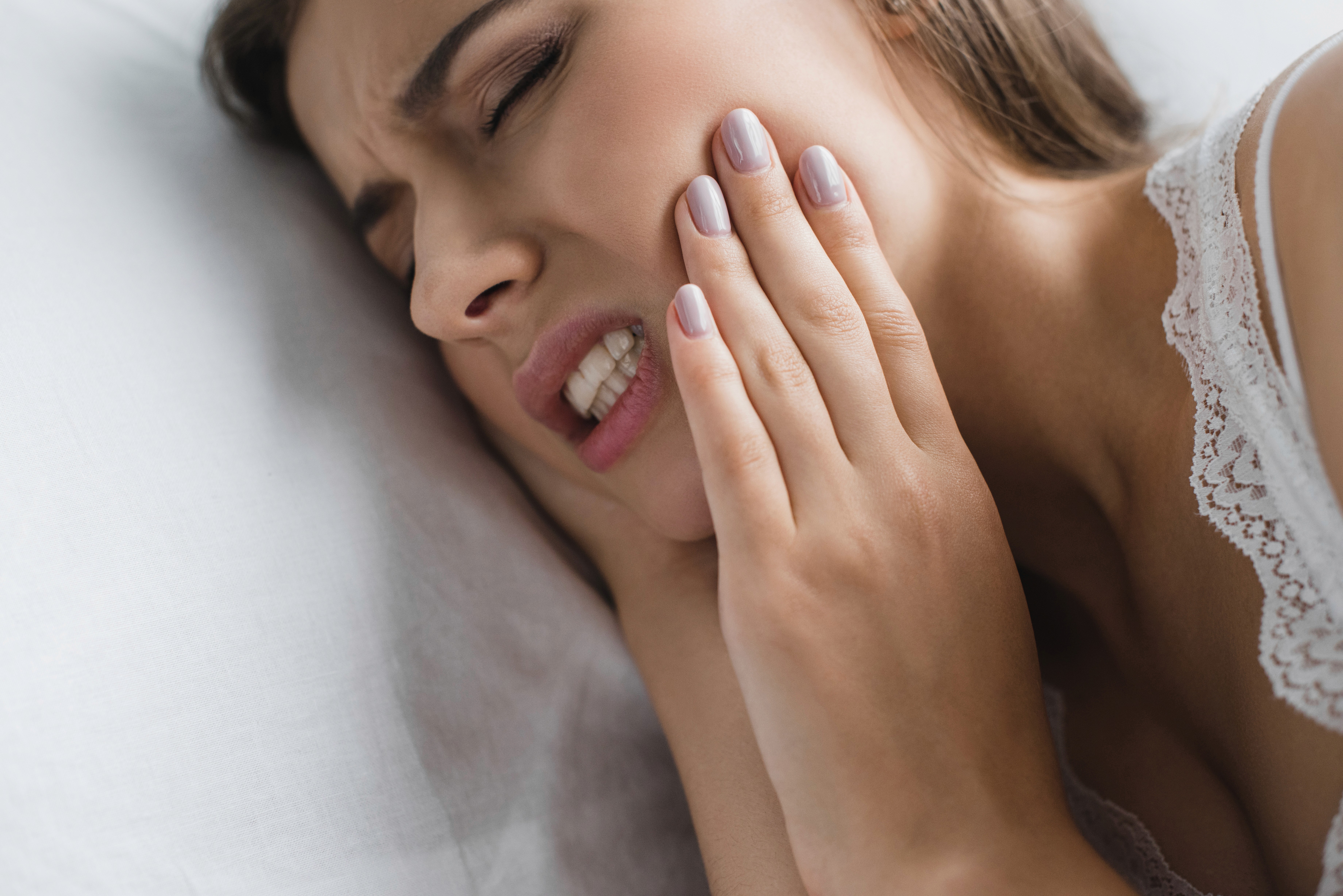
Bruxism (teeth grinding) often happens during sleep and can quietly wear teeth and cause pain. This article summarizes key signs, likely causes, and practical dental treatments - like custom night guards - to protect your oral health.
What Are the Common Symptoms of Teeth Grinding at Night?
Early recognition prevents progressive damage. Look for jaw soreness, worn tooth surfaces, and morning headaches.
Jaw Soreness: Pain or stiffness in the jaw muscles, especially on waking.
Worn-Down Teeth: Flattened, chipped, or shiny spots on enamel from repeated contact.
Morning Headaches: Head pain linked to jaw muscle tension after a night of grinding.
Noticing these signs should prompt a dental checkup to limit further wear.
How to Identify Jaw Pain and Morning Headaches Related to Bruxism

Jaw pain and morning headaches commonly occur together when grinding strains the chewing muscles.
Connection Between Jaw Pain and Bruxism: Repeated clenching fatigues the jaw muscles and can cause persistent soreness.
Morning Headaches as a Symptom: Tension in the jaw often radiates to the head after sleep-related grinding.
Importance of Dental Consultation: A dentist can identify signs, find contributing factors, and suggest protection or treatment.
What Causes Bruxism and How Does It Affect Oral Health?
Bruxism is multifactorial: stress, sleep problems, and bite issues commonly contribute. Left unchecked, the behavior can accelerate tooth wear and lead to jaw dysfunction.
Research further elaborates on the complex nature and causes of bruxism, highlighting its multifactorial etiology and impact.
Understanding Bruxism: Habit, Etiology, and Tooth Wear
Bruxism is a common parafunctional habit that occurs both during sleep and while awake. For most people it causes few serious problems, but some patients do experience notable effects. The causes are multifactorial, and no treatment reliably stops bruxism in every case, including prosthetic approaches. The precise role of bruxism in tooth wear is unclear and is not considered the main cause in many cases.
Bruxism and prosthetic treatment: a critical review, A Johansson, 2011
Stress: Emotional stress raises muscle tension and can trigger clenching or grinding.
Impact on Teeth: Ongoing grinding increases sensitivity and may require restorative care if enamel is lost.
Sleep Disorders: Conditions like sleep apnea can coincide with bruxism and worsen symptoms.
How Do Stress, Sleep Apnea, and Bite Issues Contribute to Teeth Grinding?
Each factor can either trigger or amplify grinding; identifying the main drivers helps guide treatment.
Delving deeper into these connections, research specifically highlights the strong association between sleep bruxism and obstructive sleep apnea.
Sleep Bruxism and Obstructive Sleep Apnea Link
Four studies support an association between sleep bruxism and obstructive sleep apnea (OSA): (a) some OSA patients may exhibit bruxism as a protective response to respiratory events, (b) many bruxism episodes occur shortly after apnea or hypopnea events, (c) bruxism episodes can follow arousals from these events, and (d) the frequency of sleep bruxism correlates with apnea/hypopnea events.
Is there an association between sleep bruxism and obstructive sleep apnea syndrome? A systematic review, 2020
Role of Stress: Managing stress often reduces grinding frequency.
Impact of Sleep Apnea: Treating sleep-disordered breathing can improve bruxism in some patients.
Bite Issues: Dental misalignment may encourage grinding; bite evaluation can identify corrective options.
What Are the Long-Term Effects of Bruxism on Teeth and Jaw?
Without intervention, bruxism may cause enamel loss, tooth sensitivity, and chronic jaw pain that can impair function.
Tooth Wear: Progressive enamel loss increases decay risk and may require crowns or fillings.
TMJ and Jaw Pain: Continued strain can contribute to temporomandibular problems and restricted movement.
Restorative Needs: Severe wear often leads to more complex dental treatment; early protection reduces this risk.
How Can a Dentist Help with Teeth Grinding?
A dental exam assesses wear patterns, jaw function, and medical history to create a tailored plan that protects teeth and reduces pain.
Assessment: Visual exam and symptom review determine severity and next steps.
Treatment Options: Solutions range from behavioral advice and stress management to custom night guards and other dental devices.
Beyond custom night guards, a full view of treatment approaches includes splints, medications, and, in specific cases, targeted injections, as research discusses.
Current Bruxism Treatments: Splints, Medications, and Injections
Occlusal splints are effective at preventing dental damage and reducing grinding sounds related to sleep bruxism, although their impact on reducing recorded bruxism muscle activity is temporary. In patients with psychiatric or sleep comorbidities, short-term use of clonazepam at night has been reported to improve sleep bruxism, but without high-quality randomized trials its routine use cannot be recommended. In severe secondary bruxism tied to neurological disorders, injections of botulinum toxin into the chewing muscles have reduced bruxism and improved pain and jaw function for periods of one to five months.
Current treatments of bruxism, B Hög l, 2016
Custom Night Guards: A common protective option that prevents direct tooth-to-tooth contact and reduces damage.
What Are Custom Night Guards and How Do They Protect Your Smile?
Custom night guards are made from impressions for a precise fit and worn at night to absorb forces from grinding.
Function: They provide a protective layer between upper and lower teeth to prevent wear.
Benefits: Many patients report reduced morning headaches and less jaw discomfort.
Customization: A dentist takes impressions and recommends the material and thickness that suit your needs.
Different materials balance comfort and durability; your dentist can advise which option best matches the level of protection you need.
How Does Sedation Dentistry Ease Anxiety for Bruxism Patients?
Sedation helps anxious patients complete necessary dental care comfortably, using options from nitrous oxide to oral or IV sedation as appropriate.
Types: Nitrous oxide, oral sedatives, and IV sedation provide increasing levels of relaxation.
Benefits: Reduced anxiety facilitates thorough exams and treatments that protect teeth from bruxism-related damage.
Patient Comfort: Many report easier, more positive experiences when sedation is used for longer or complex visits.
What Should You Know About Custom Night Guard Cost and Treatment Options Near Me?
Costs vary by material and complexity; knowing price ranges, insurance details, and financing helps you plan for treatment.
Typical Cost: Custom night guards commonly range from a few hundred to several hundred dollars, depending on materials and lab work.
Insurance: Many plans offer partial coverage; check benefits to see what is reimbursed.
Financing: Practices may provide payment plans to spread costs over time.
Are There Financing Options for Custom Night Guards at Ember Dental Arts?
Ember Dental Arts recognises cost concerns and works with many insurance plans while offering payment options to reduce financial strain.
Insurance Acceptance: The practice accepts a range of plans to help offset treatment costs.
Payment Plans: Flexible payment arrangements can make care more accessible.
Membership Plan: A membership option offers savings for ongoing dental needs.
How to Schedule a Consultation for Bruxism Treatment in Conshohocken, PA
Scheduling a consultation starts the process to preserve tooth structure and address pain with a focused, personalised plan.
Finding Local Dentists: Search for practices experienced in bruxism and read reviews to find a reputable provider.
Contacting Ember Dental Arts: Call Ember Dental Arts at (610) 897-7838 to arrange an appointment.
During the Consultation: Expect an exam, symptom review, and recommendations for protection and treatment.
Taking prompt action helps limit wear, reduce pain, and maintain oral function.
To ensure your teeth are healthy, schedule a general checkup at Ember Dental Arts.
Frequently Asked Questions
What lifestyle changes can help reduce teeth grinding?
Reduce stress with meditation, exercise, or breathing techniques; avoid caffeine and alcohol near bedtime and establish a calming pre-sleep routine.
Can children experience bruxism, and what should parents look for?
Yes. Listen for grinding noises at night, watch for jaw complaints or headaches, and check for worn teeth; consult a pediatric dentist if concerned.
Are there any home remedies for managing bruxism symptoms?
Temporary measures include warm compresses, jaw relaxation exercises, and avoiding hard foods, but these do not replace dental evaluation and protection.
How can I tell if my bruxism is severe enough to need treatment?
Seek care for frequent jaw pain, persistent headaches, or visible tooth wear; a dentist can assess severity and recommend protection.
What are the potential complications of untreated bruxism?
Untreated grinding can cause enamel loss, increased sensitivity, cavities, TMJ problems, and the need for complex restorative work.
Is there a connection between bruxism and sleep disorders?
Yes. Bruxism often co-occurs with sleep disorders like sleep apnea; diagnosing and managing underlying sleep issues can help reduce grinding.
FAQ
Answers to your questions
Get quick, clear information about our services, appointments, support, and more
How do I book an appointment?
Do you accept walk-in patients?
What should I bring for my first visit?
Are your doctors licensed and experienced?
Can I reschedule or cancel my appointment?
Do you accept health insurance?
How does Ember Dental Arts make dental care affordable without insurance?
FAQ
Answers to your questions
Get quick, clear information about our services, appointments, support, and more
How do I book an appointment?
Do you accept walk-in patients?
What should I bring for my first visit?
Are your doctors licensed and experienced?
Can I reschedule or cancel my appointment?
Do you accept health insurance?
How does Ember Dental Arts make dental care affordable without insurance?
FAQ
Answers to your questions
Get quick, clear information about our services, appointments, support, and more
How do I book an appointment?
Do you accept walk-in patients?
What should I bring for my first visit?
Are your doctors licensed and experienced?
Can I reschedule or cancel my appointment?
Do you accept health insurance?
How does Ember Dental Arts make dental care affordable without insurance?
Your Smile journey begins in one click
Get in Touch
Hours
Monday - Thursday
8:00 am - 12:00 pm
1:00 pm - 5:00 pm
Friday
By Appointments Only
Saturday - Sunday
Closed
Located in the corporate center across from Blue Pearl Emergency Vet.
Enter either side of Building D and find Suite 103

Your Smile journey begins in one click
Get in Touch
Hours
Monday - Thursday
8:00 am - 12:00 pm
1:00 pm - 5:00 pm
Friday
By Appointments Only
Saturday - Sunday
Closed
Located in the corporate center across from Blue Pearl Emergency Vet.
Enter either side of Building D and find Suite 103
Your Smile journey begins in one click
Get in Touch
Hours
Monday - Thursday
8:00 am - 12:00 pm
1:00 pm - 5:00 pm
Friday
By Appointments Only
Saturday - Sunday
Closed
Located in the corporate center across from Blue Pearl Emergency Vet.
Enter either side of Building D and find Suite 103